During the last general election, Keir Starmer promised that the Labour Party wouldn’t increase Income Tax rates. Andy Burnham echoed this when he became prime minister.
They’ve been true to their word and headline Income Tax rates haven’t risen.
However, the level of Income Tax you pay has increased in real terms because of frozen thresholds.
On top of this, if you earn more than £100,000, you are affected by a specific rule called the Personal Allowance taper, which further increases the amount you pay.
New data reported by Financial Planning Today suggests that, by 2031, this “tax trap” could affect 2.5 million people.
Read on to learn why this is and whether you could be one of them.
Your Personal Allowance is the amount you can earn before paying Income Tax
The rate of Income Tax you pay depends on which tax bracket your earnings fall into, and you likely pay a different amount on various portions of your income. Fortunately, you have a Personal Allowance that lets you earn a certain amount each year without paying Income Tax.
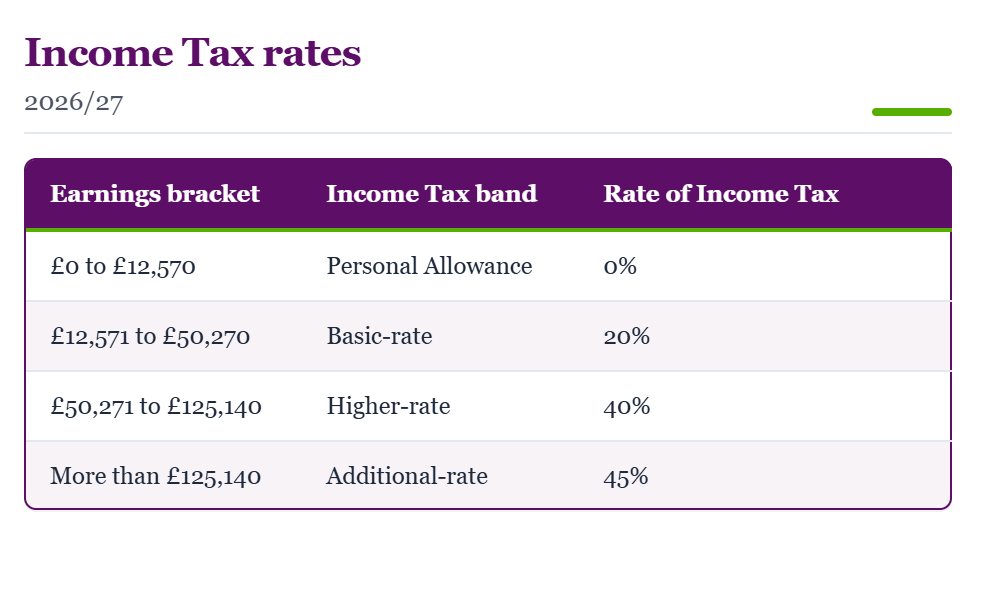
These thresholds have been at their current level since April 2021 and are set to remain so until April 2031.
However, average earnings have risen in this time. According to Statista, average annual earnings in 2021, when the freeze started, were £31,285. By 2025, this figure had increased to £39,039.
As such, a higher percentage of your earnings could exceed the Personal Allowance and be pulled into higher tax bands, meaning you effectively pay more Income Tax, even if headline rates are the same.
This is known as “fiscal drag”.
As well as increasing the overall tax burden, fiscal drag causes more people to trigger a specific rule that reduces their Personal Allowance, further increasing their Income Tax liability.
If you earn more than £100,000, your Personal Allowance is reduced
The Personal Allowance taper rule affects those with adjusted net earnings – all taxable income after certain deductions have been made – of more than £100,000.
You will lose £1 of your Personal Allowance for every £2 by which you exceed the threshold. For instance, if you earned £110,000, you would lose £5,000 of your allowance, and this amount would be subject to Income Tax.
Once your earnings reach £125,140, your Personal Allowance disappears altogether.
This means that you effectively pay 60% tax on the portion of your earnings between £100,000 and £125,140. Here’s how this works:
- Your earnings increase from £100,000 to £110,000.
- You pay 40% Income Tax on the additional £10,000 (£4,000).
- You also lose £5,000 of your Personal Allowance and pay 40% Income Tax on this amount (£2,000).
- This adds up to a total of £6,000 in tax on the additional £10,000 of earnings – an effective rate of 60%.
This could mean you pay more Income Tax than you thought you would because of the Personal Allowance taper.
The £100,000 threshold would be approximately £160,000 if it had risen in line with inflation
The Personal Allowance taper was first introduced in 2010, and the £100,000 threshold hasn’t changed since then.
As such, fiscal drag means that more people than ever are likely to trigger the taper and pay more Income Tax.
In fact, Financial Planning Today reports that if the threshold had increased at the same pace as inflation, it would be around £160,000 today and could reach £174,000 by 2031.
Until important Income Tax thresholds are unfrozen, fiscal drag and the Personal Allowance taper could mean your tax burden continues increasing, and you may need to plan for this.
We can discuss ways to reduce the effects of fiscal drag on your financial plan
The effects of fiscal drag aren’t immediately obvious because the headline rate of Income Tax hasn’t changed, and the increase in your tax liability is incremental, spread across many years.
However, even if you don’t notice it right away, losing a larger portion of your earnings to Income Tax means you have less to contribute to savings and investments. This could affect your lifestyle and ability to reach important financial goals in the future.
Fortunately, we can help you explore ways to mitigate the effects of fiscal drag and the Personal Allowance taper.
For example, increasing your pension contributions could reduce your taxable income and potentially bring you back under the £100,000 threshold. We can also discuss ways to take advantage of other tax wrappers such as ISAs to lower your overall tax burden.
Read more: 2 tax wrappers to help you mitigate a large bill
That said, paying more into your pension isn’t always suitable as it reduces your income and could affect your ability to cover short-term expenses. That’s why we’ll review your wider finances and consider tax as a part of your overall strategy.
Get in touch
If you’re worried about fiscal drag, we can help.
Please contact us at hello@ardentuk.com or call or WhatsApp us on 01904 655 330. As an award-winning financial advice company with advisers included in the 2025 VouchedFor Top Rated guide, we can assure you that we’re a bona fide company providing excellent advice and high-quality service.
Please note
This article is for general information only and does not constitute advice. The information is aimed at individuals only.
All information is correct at the time of writing and is subject to change in the future.
Please do not act based on anything you might read in this article. All contents are based on our understanding of HMRC legislation, which is subject to change.
The Financial Conduct Authority does not regulate tax planning.
A pension is a long-term investment not normally accessible until 55 (57 from April 2028). The fund value may fluctuate and can go down, which would have an impact on the level of pension benefits available. Past performance is not a reliable indicator of future performance.
The tax implications of pension withdrawals will be based on your individual circumstances. Thresholds, percentage rates, and tax legislation may change in subsequent Finance Acts.